How to Prepare for a Drone or FPV Inspection
Drone and FPV inspections are most effective when they are properly planned. A small amount of preparation can significantly improve the quality of the inspection, reduce time on site, and ensure the results are genuinely useful.
This article outlines how to prepare for a drone or FPV inspection, and what information helps deliver the best outcome.
1. Be Clear About the Inspection Objective
Before any inspection takes place, it’s important to understand what you are trying to learn.
Examples include:
-
Identifying visible defects
-
Assessing general condition
-
Investigating a known issue
-
Deciding whether further access is required
Clear objectives help ensure the inspection focuses on the right areas, rather than collecting unnecessary imagery.
2. Share Available Information in Advance
Providing existing information ahead of time helps plan the inspection safely and efficiently.
Useful information may include:
-
Drawings or layout plans
-
Previous inspection reports
-
Known areas of concern
-
Access limitations or restrictions
This allows the inspection to be tailored to the site and avoids unnecessary time spent on areas that are not relevant.
3. Consider Site Conditions and Constraints
Drone and FPV inspections are influenced by the environment in which they are carried out.
Factors to consider include:
-
Indoor or outdoor operation
-
Lighting conditions
-
Wind or airflow
-
Dust, vapour, or moisture
-
Proximity to people, plant, or live operations
Identifying these factors early helps determine whether a drone or FPV inspection is suitable and what controls may be required.
4. Understand the Limitations of Visual Inspections
Drone inspections are visual-only and non-contact.
They are excellent for identifying visible issues, but they cannot:
-
Perform physical testing
-
Confirm material condition beneath surfaces
-
Replace intrusive inspection methods
Understanding this upfront helps ensure inspection results are interpreted correctly and used appropriately.
5. Plan for Access and Permissions
Even when drones reduce the need for physical access, some site preparation is still required.
This may include:
-
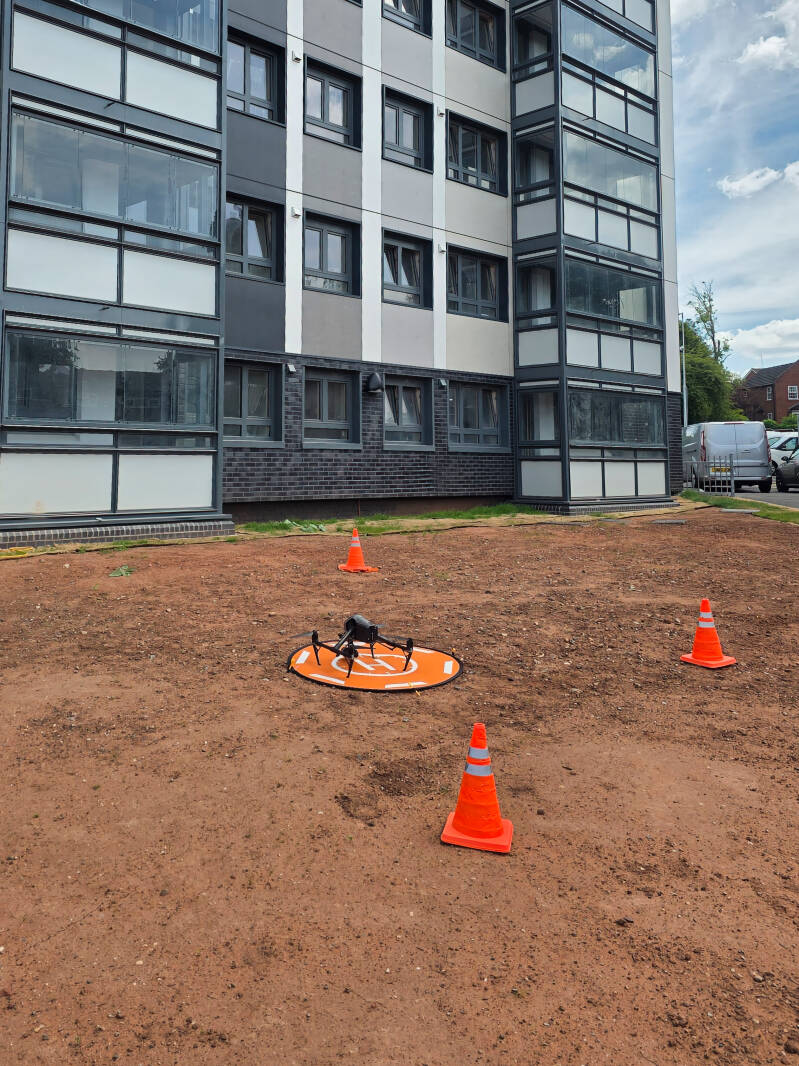
Identifying safe launch and recovery areas
-
Managing access to the inspection zone
-
Confirming site permissions and inductions
-
Coordinating with site personnel
Good coordination reduces disruption and improves safety.
6. Decide How the Results Will Be Used
Before the inspection, consider how the information will be applied.
Drone inspection outputs are commonly used to:
-
Support maintenance planning
-
Inform engineers or surveyors
-
Decide whether further access is required
-
Create a visual record for comparison over time
Knowing this in advance helps ensure the deliverables match the intended use.
7. Ask if Drone or FPV Inspection Is the Right Tool
Not every inspection is suited to drone or FPV methods.
A professional inspection provider should be able to advise:
-
Whether drone or FPV inspection is appropriate
-
Where limitations apply
-
When alternative or additional methods may be required
An initial discussion often saves time and avoids unsuitable inspections.
Conclusion
Preparing for a drone or FPV inspection doesn’t require extensive effort—but it does require clarity.
Clear objectives, basic site information, and an understanding of limitations help ensure inspections are safe, efficient, and genuinely useful. When properly planned, drone and FPV inspections can significantly reduce risk while delivering valuable visual insight.




Add comment
Comments