What a Drone Inspection Can (and Can’t) Tell You
Drone inspections are increasingly used across commercial and industrial sites to assess condition, identify defects, and reduce the need for hazardous access. They provide valuable visual information quickly and safely—but they are not a replacement for every inspection method.
Understanding what a drone inspection can and cannot tell you is essential to using the results correctly and avoiding false confidence.
What a Drone Inspection Can Tell You
Drone inspections are particularly effective for visual condition assessment.
They can reliably identify:
-
Visible damage or deterioration
-
Cracks, corrosion, or impact damage
-
Displaced or missing components
-
Water pooling, staining, or ingress indicators
-
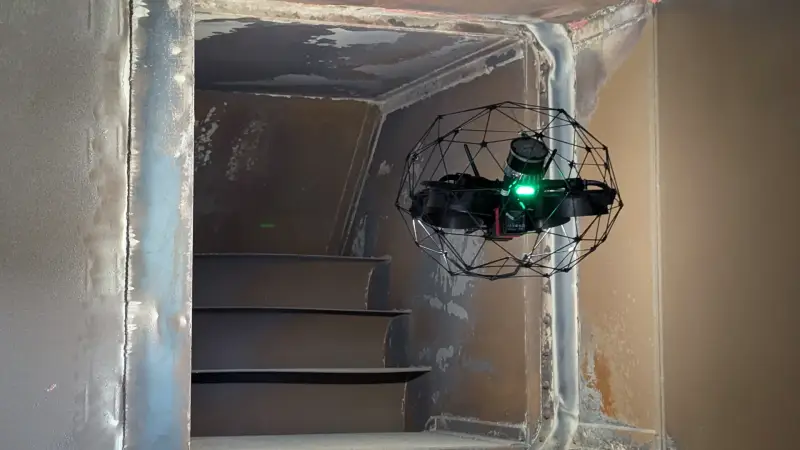
Obvious defects in hard-to-reach locations
High-resolution imagery allows these areas to be reviewed closely, shared with stakeholders, and compared over time.
In many cases, drone inspections provide the first clear view of areas that are otherwise difficult, costly, or unsafe to access.
Where Drone Inspections Add the Most Value
Drone inspections are especially useful when:
-
Access is hazardous or restricted
-
Working at height would otherwise be required
-
A rapid overview is needed to inform next steps
-
The inspection is part of a staged assessment
They are commonly used to decide whether further access or intrusive inspection is required, and where that access should be targeted.
What a Drone Inspection Cannot Tell You
Drone inspections are non-contact and visual-only.
They cannot:
-
Perform physical testing
-
Measure material thickness
-
Assess subsurface conditions
-
Replace sampling or destructive investigation
While drones can highlight areas of concern, they cannot confirm structural integrity or compliance where physical testing is required.
Why This Distinction Matters
Using drone inspection results correctly is critical.
When treated as a standalone solution for problems that require physical testing, drone inspections can create a false sense of certainty. When used as part of a staged inspection approach, they significantly improve safety, efficiency, and planning.
The strongest inspection strategies use drone inspections to:
-
Reduce unnecessary access
-
Focus physical inspections on priority areas
-
Improve understanding before committing to intrusive works
Using Drone Inspections as Part of a Wider Strategy
In practice, drone inspections work best when they are:
-
Clearly scoped
-
Integrated with traditional inspection methods
-
Used to inform, not replace, engineering judgement
This approach leads to safer inspections, better information, and more efficient use of resources.
Conclusion
Drone inspections provide powerful visual insight—but only when their limitations are understood.
By using drones to identify defects, reduce risk, and inform further investigation, asset owners and engineers can make better decisions while avoiding unnecessary exposure to hazardous access methods.
If you’re unsure whether a drone inspection is suitable for your site—or how the results should be used—an initial discussion can help determine the most appropriate approach.



Add comment
Comments