Drone Inspection FAQs: Common Questions from Asset Owners and Engineers
Drone and FPV inspections are increasingly used across commercial and industrial environments, but they still raise practical questions—particularly around safety, suitability, and limitations.
Below are answers to some of the most common questions asked by asset owners, engineers, and facilities managers when considering drone-based inspections.
Can drone inspections replace traditional inspections?
No—drone inspections are not a full replacement for all traditional inspection methods.
They are best used for visual condition assessment, initial surveys, and identifying areas that may require closer investigation. Where physical testing, sampling, or certified measurements are required, traditional access methods may still be necessary.
In many cases, drone inspections are used as a first-stage inspection to reduce risk and improve planning.
Are drone inspections safe to carry out on operational sites?
When properly planned, drone inspections can be carried out safely on operational commercial and industrial sites.
Professional inspections include risk assessment, defined operating areas, and coordination with site personnel. One of the key benefits of drone inspections is reducing the need for working at height or confined space entry, which significantly lowers risk to people.
What types of defects can drones identify?
Drone inspections can identify a wide range of visible defects, including:
-
Cracks, corrosion, and surface deterioration
-
Damaged cladding or façade elements
-
Water pooling, staining, or ingress indicators
-
Loose or displaced components
High-resolution imagery allows these issues to be reviewed in detail and shared with stakeholders.
Can drones be used indoors or in confined spaces?
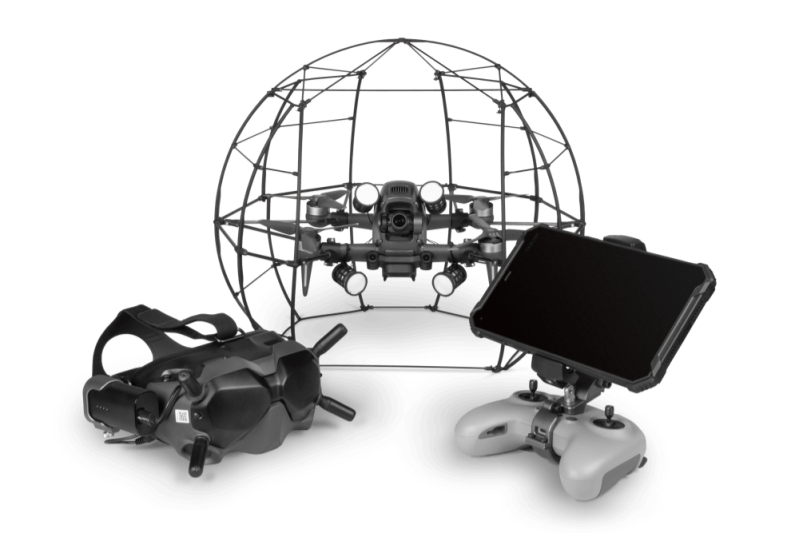
Yes—FPV drones can be used for inspections inside enclosed or GPS-denied environments such as tanks, roof voids, plant rooms, and ducting.
These inspections are manually flown and require careful planning. They are typically used to reduce or avoid unnecessary confined space entry and to support safer inspection strategies.
What are the limitations of drone inspections?
Drone inspections are visual-only and non-contact.
They cannot perform physical testing, confirm subsurface condition, or replace intrusive inspection methods where those are required. Environmental factors such as lighting, dust, or airflow can also affect inspection effectiveness.
Understanding these limitations is key to using drone inspection results correctly.
How long does a drone inspection take?
Inspection time varies depending on the size and complexity of the site.
In many cases, drone inspections can be completed significantly faster than traditional access methods, with minimal setup time. Deliverables are typically provided within 24–48 hours, depending on project scope.
What information is needed before an inspection?
Helpful information includes:
-
Site layout or drawings
-
Known areas of concern
-
Access restrictions
-
Operational constraints
Sharing this in advance helps ensure the inspection is efficient and focused.
Is drone inspection suitable for every site?
Not always.
A professional operator should advise whether a drone or FPV inspection is appropriate, and where alternative methods may be required. In some cases, drones are best used alongside traditional inspections as part of a staged approach.
Conclusion
Drone and FPV inspections offer significant advantages when used correctly—but understanding their role and limitations is essential.
Asking the right questions upfront helps ensure inspections are safe, effective, and genuinely useful for decision-making.


Add comment
Comments