Drone Inspections vs Scaffolding and MEWPs: When Is Each Appropriate?
When an elevated structure or roof requires inspection, one of the first questions is often:
Should we use scaffolding, a MEWP, or a drone?
Each method has a role. The most effective inspection strategies are not based on preference, but on suitability. Understanding where drone inspections are appropriate—and where traditional access methods are still required—helps ensure safe, efficient, and cost-effective outcomes.
The Case for Scaffolding
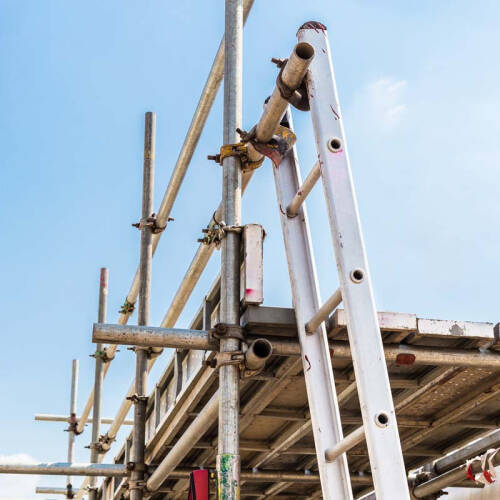
Scaffolding provides stable, physical access to a structure for:
-
Hands-on inspection
-
Physical testing
-
Sampling or intrusive investigation
-
Repair or maintenance work
It is appropriate when:
-
Close manual examination is required
-
Repairs will follow immediately
-
Long-duration access is needed
However, scaffolding involves:
-
Higher setup costs
-
Longer lead times
-
Increased disruption
-
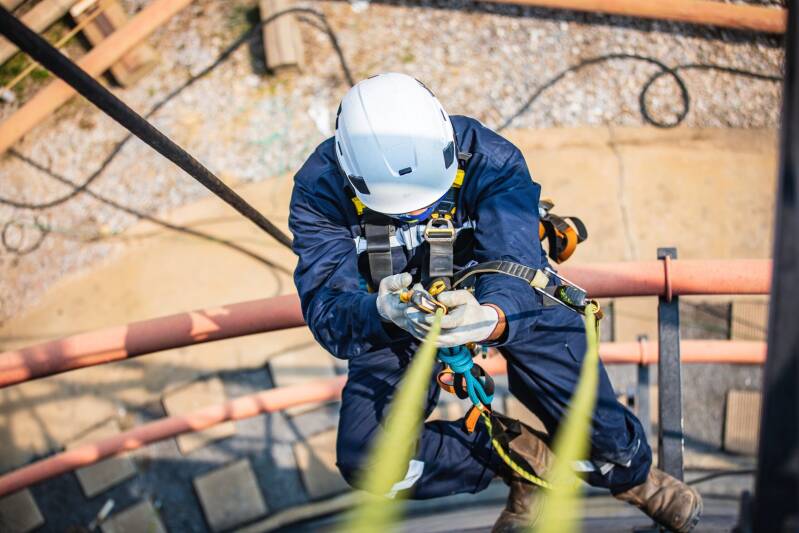
Greater exposure to working-at-height risk
It is rarely the most efficient option for initial visual assessment.
The Role of MEWPs (Mobile Elevating Work Platforms)
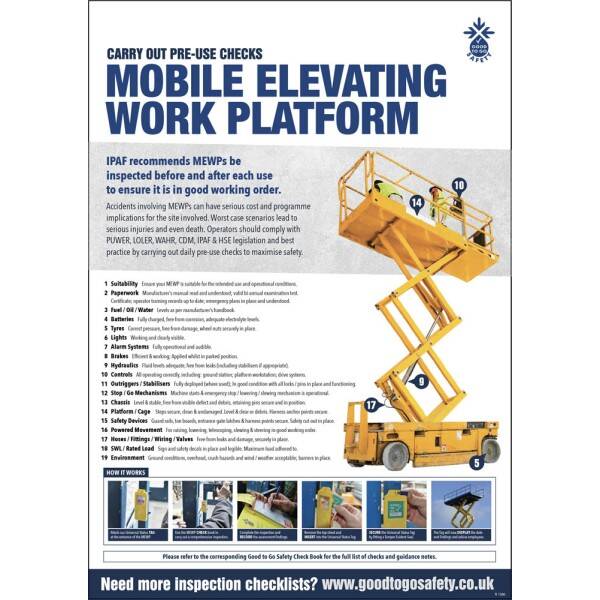
MEWPs provide temporary access for short-duration inspection or maintenance tasks.
They are suitable when:
-
Specific localised access is required
-
Physical interaction with the structure is necessary
-
Access can be safely achieved from ground level
While faster than scaffolding, MEWPs still require:
-
Ground stability
-
Safe operating zones
-
Trained personnel
-
Risk assessment and supervision
They also expose operators directly to height-related risks.
Where Drone Inspections Fit
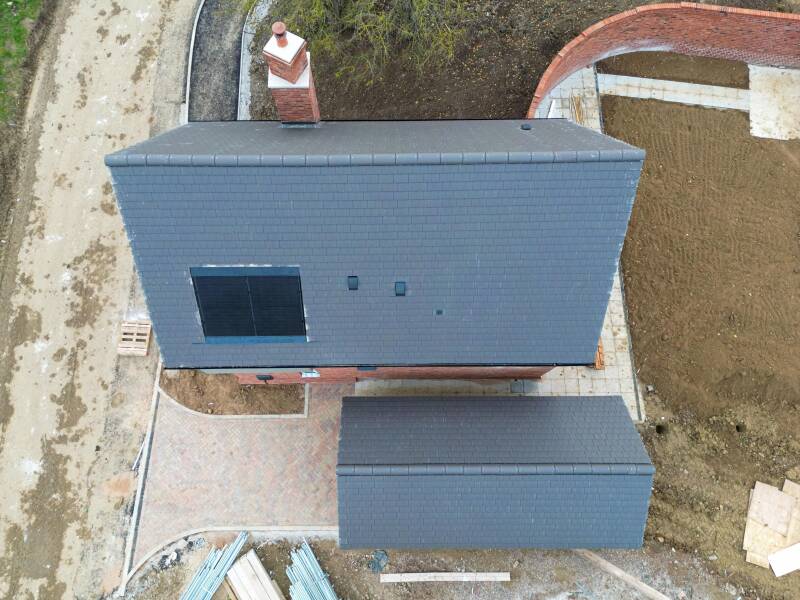
Drone inspections are most effective for:
-
Initial visual condition assessments
-
Large roof areas
-
Façades and elevated structures
-
Hard-to-reach elements
-
Identifying areas requiring closer inspection
They are particularly valuable when:
-
Access is hazardous
-
Disruption must be minimised
-
A rapid overview is required
-
Budget constraints make full access disproportionate
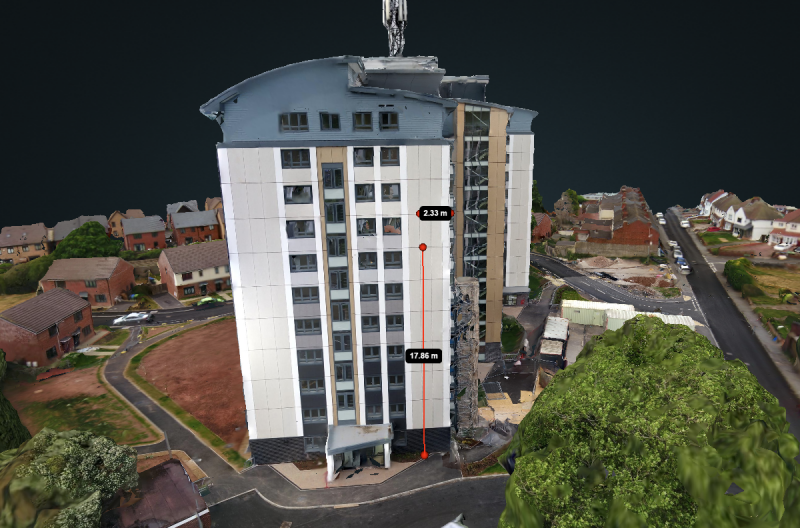
Drone inspections provide high-resolution imagery without placing personnel at height. They are best used to inform whether scaffolding or MEWP access is required—and where.
A Staged Inspection Approach
In many commercial environments, the most effective method is staged:
-
Drone inspection to assess condition and identify concerns
-
Targeted scaffolding or MEWP access only where necessary
-
Physical testing or repair in confirmed areas
This approach:
-
Reduces unnecessary exposure to risk
-
Lowers overall access costs
-
Improves planning efficiency
-
Minimises disruption to operations
Rather than replacing traditional methods, drone inspections refine them.
When Drone Inspections Are Not Enough
Drone inspections are visual-only. They cannot:
-
Perform material testing
-
Confirm internal structural integrity
-
Replace intrusive investigation where required
Where physical verification is mandatory, scaffolding or MEWP access remains essential.
Conclusion
Drone inspections, scaffolding, and MEWPs each have a legitimate role in inspection planning.
The key is not choosing one method over another—but selecting the appropriate tool based on inspection objectives, risk profile, and required outcomes.
When used as part of a structured, staged strategy, drone inspections can significantly reduce cost, risk, and disruption while improving decision-making.
If you’re considering elevated inspection works and want to assess whether a drone inspection is appropriate as a first-stage assessment, an initial discussion can help determine the safest and most effective approach.

Add comment
Comments