Drone Inspections: Benefits, Limitations, and When They Make Sense
Drone inspections have become increasingly common across construction, infrastructure, and asset management. They offer a safer and often more efficient way to inspect hard-to-reach areas—but they are not a universal solution.
This article provides an honest overview of where drone inspections excel, where they fall short, and when they make sense as part of an inspection strategy.
Why Drone Inspections Are Valuable
1. Improved Safety
One of the biggest advantages of drone inspections is reduced risk to personnel. Tasks that would traditionally require:
-
Working at height
-
Confined space entry
-
Fragile roof access
-
Temporary works or rope access
can often be carried out remotely, keeping people safely on the ground.
2. Faster Access to Difficult Areas
Drones can access:
-
Roofs
-
Towers
-
Façades
-
Bridges
-
Large internal spaces
within minutes, eliminating the need for lengthy setup times associated with scaffolding or MEWPs.
3. Reduced Disruption
For operational buildings or industrial sites, drones often allow inspections to be carried out:
-
Without shutting down operations
-
Without blocking access routes
-
Without erecting temporary structures
This is particularly valuable in commercial and industrial environments.
4. High-Quality Visual Data
Modern inspection drones provide:
-
High-resolution imagery
-
Video records for review
-
Repeatable inspection angles for condition monitoring
This creates a permanent visual record that can be shared with engineers, surveyors, and stakeholders.
Where Drone Inspections Have Limitations
While drones are powerful tools, they are not suitable for every inspection.
1. Visual-Only Inspections
Most drone inspections are non-contact and visual in nature. This means:
-
No hammer testing
-
No material sampling
-
No physical measurements unless combined with other methods
They are best used for initial surveys, condition assessments, and identifying defects, rather than detailed intrusive investigations.
2. Environmental Constraints
Drone operations can be affected by:
-
Wind
-
Poor lighting
-
Dust or moisture
-
Magnetic interference indoors
These factors must be assessed before deployment.
3. Regulatory and Site Restrictions
Certain locations may restrict drone use due to:
-
Airspace limitations
-
Indoor operational hazards
-
Site-specific safety policies
Professional planning and risk assessment are essential.
When Drone Inspections Make the Most Sense
Drone inspections are particularly effective when:
-
Access is difficult or hazardous
-
A rapid overview is required
-
The goal is defect identification rather than physical testing
-
Reducing risk and disruption is a priority
They are often most powerful when used alongside traditional inspection methods, not as a complete replacement.
Conclusion
Drone inspections are not about replacing inspectors—they are about giving inspectors better access, better data, and safer working conditions.
When used appropriately, they offer significant advantages in safety, speed, and efficiency. When used incorrectly, they can provide incomplete or misleading results.
Understanding both their strengths and limitations is key to using drone inspections effectively.


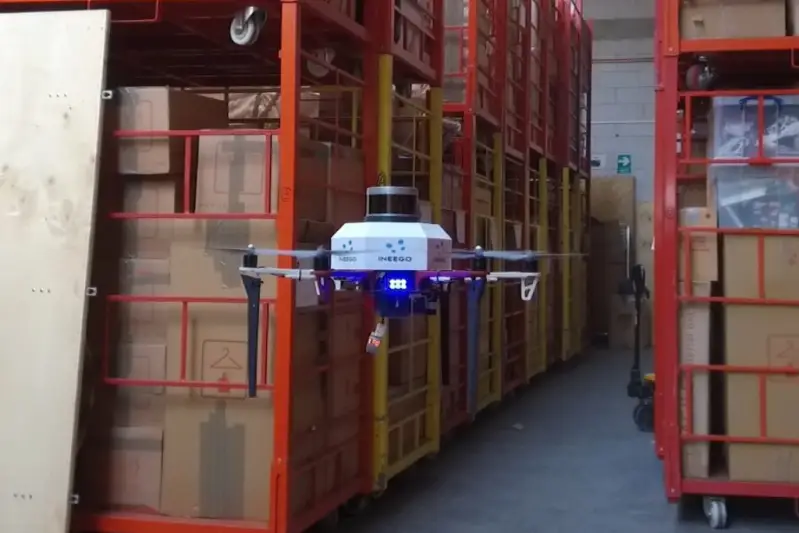

FPV Confined Space Inspections: What They Are and Why They’re Different
Confined space inspections have always presented a challenge. Limited access, poor visibility, and increased risk to personnel often mean inspections are expensive, disruptive, or delayed altogether.
FPV (First Person View) drone inspections offer a different approach—one that focuses on access, control, and safety in environments where traditional drones and human entry struggle.
This article explains what FPV confined space inspections are, where they add value, and where their limitations lie.
What Is an FPV Confined Space Inspection?
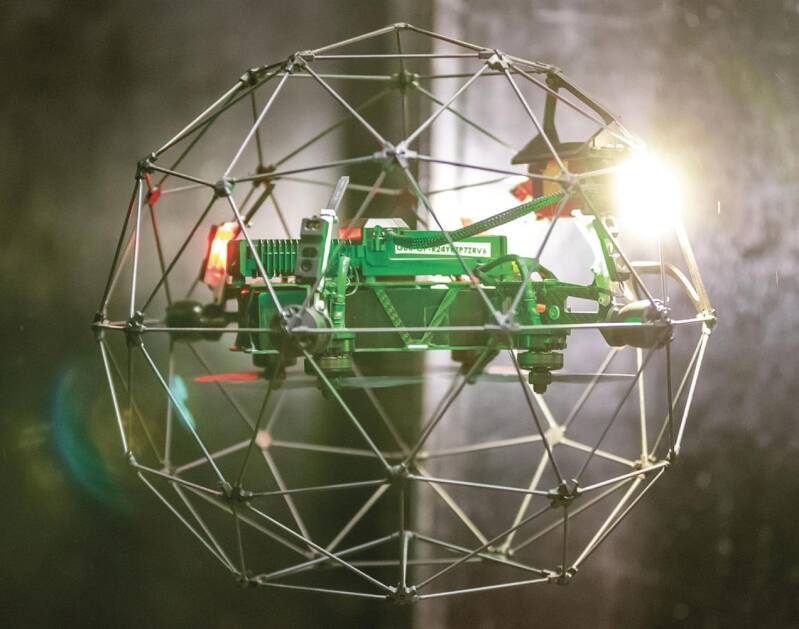
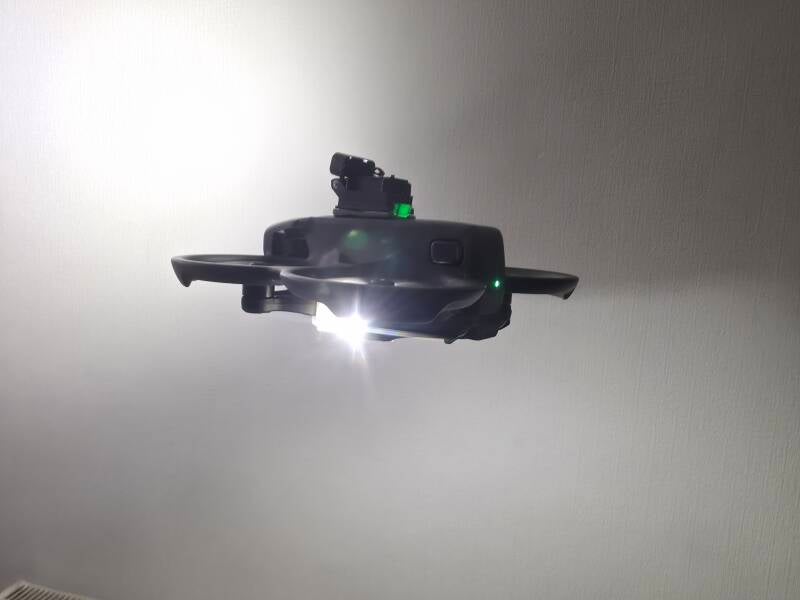
An FPV confined space inspection uses a manually piloted FPV drone, flown using live video goggles, allowing the pilot to precisely navigate tight, complex environments.
Unlike standard camera drones that rely heavily on GPS, obstacle sensors, and stabilisation systems, FPV drones are:
-
Fully manual
-
Highly responsive
-
Designed for close-proximity flight
This makes them particularly effective in GPS-denied, enclosed, or cluttered spaces.
Why FPV Drones Are Suited to Confined Spaces
1. Precise Control in Tight Environments
FPV drones are flown in real time with direct pilot input. This allows:
-
Controlled movement through narrow openings
-
Slow, deliberate inspection passes
-
Close-up viewing of defects without relying on automated systems
This level of control is critical inside tanks, silos, roof voids, and plant rooms.
2. No GPS or Sensor Dependence
In confined spaces, GPS signals are unreliable or unavailable. Many standard drones struggle in these conditions.
FPV drones:
-
Do not rely on GPS
-
Do not depend on obstacle avoidance sensors
-
Remain stable and controllable indoors
This makes them far more predictable in enclosed environments.
3. Reduced Need for Confined Space Entry
One of the biggest advantages of FPV inspections is reducing or eliminating the need for human entry.
This can remove or reduce:
-
Permit-required confined space entry
-
Rescue planning requirements
-
Exposure to hazardous atmospheres
-
Working at height within enclosed structures
In many cases, FPV inspections allow an initial condition assessment before deciding whether entry is necessary at all.
4. Rapid Deployment with Minimal Disruption
FPV inspection setups are typically lightweight and fast to deploy. This allows inspections to be carried out:
-
With minimal site disruption
-
Without major temporary works
-
Without shutting down entire systems where safe to do so
This is particularly valuable in operational industrial and commercial environments.
Typical Confined Space Applications
FPV confined space inspections are commonly used in:
-
Storage tanks and vessels
-
Silos and hoppers
-
Roof voids and ceiling spaces
-
Ducting and ventilation systems
-
Plant rooms
-
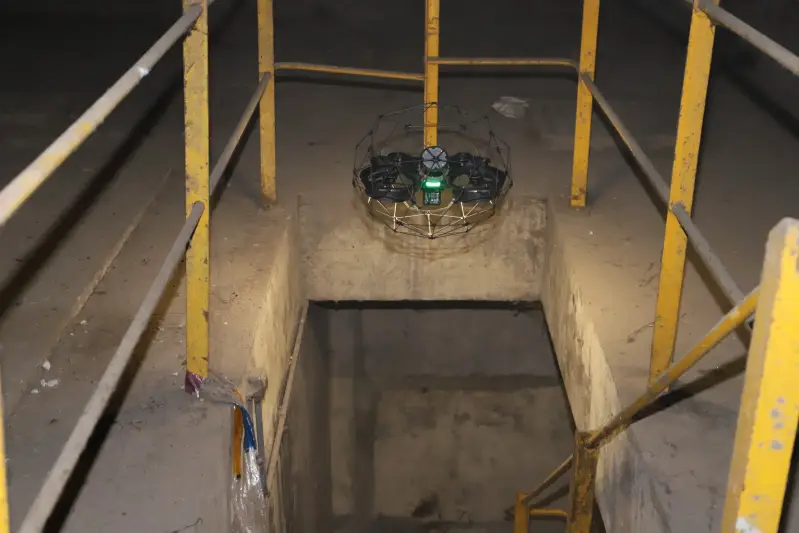
Culverts and drainage structures
-
Internal structural voids
They are especially useful where access points are small, internal layouts are complex, or visibility is poor.
What FPV Confined Space Inspections Can (and Can’t) Do
What They’re Good At
-
Visual condition assessments
-
Identifying corrosion, cracks, leaks, or blockages
-
Inspecting areas otherwise inaccessible without major setup
-
Providing recorded footage for off-site review
Their Limitations
FPV inspections are visual-only and non-contact. This means:
-
No physical testing
-
No material sampling
-
Limited ability to measure depth or thickness
Lighting, dust, moisture, and airflow can also affect image quality, and not every confined space is suitable for drone flight.
For this reason, FPV inspections work best as:
-
A first-stage assessment
-
A risk-reduction tool
-
A complement to traditional inspection methods, not a replacement
Why FPV Is Different from Standard Drone Inspections
Standard camera drones are excellent for open or semi-open spaces, but they often struggle indoors due to:
-
Sensor confusion
-
GPS loss
-
Limited manoeuvrability
FPV drones are purpose-built for:
-
Close-quarters flight
-
Manual control
-
Complex internal navigation
This makes them a specialist tool, requiring experience, planning, and site-specific risk assessment.
Conclusion
FPV confined space inspections are not about replacing inspectors or eliminating all physical access—they are about making inspections safer, faster, and more informed.
By providing visual access to difficult and hazardous environments, FPV drones allow asset owners and engineers to:
-
Reduce risk
-
Minimise disruption
-
Make better-informed decisions about further inspection or maintenance
When used appropriately, they are one of the most effective tools available for modern confined space inspection.



Add comment
Comments